2027 SUMI INK ART RESIDENCY
2027 Program Dates
- Spring Session: March 13 – April 9
- Autumn Session: November 20 – December 17
Program Overview
The Sumi Ink Art Residency invites artists, creative practitioners and individuals to explore the expressive possibilities of Japanese sumi ink, from traditional shodo (calligraphy) and sumi-e (ink painting) to contemporary artistic practice. This four-week program introduces the techniques, materials, and aesthetics of Japanese ink art while encouraging artists to experiment beyond conventional approaches.
Led by sumi ink artist Christine Flint Sato, the program introduces the fundamentals of brushwork, ink techniques, and composition, providing a foundation for material experimentation and the development of individual artistic work.
Nara is Japan’s centre of traditional sumi ink production, with a long history of brush and washi (Japanese paper) making. The residency draws on these local craft traditions through field trips to artisans and workshops, introducing participants to the materials, production processes, and craftsmanship associated with Japanese ink art.
Combining professional instruction with independent studio practice, the residency provides artists with the time, space, and guidance to experiment with sumi ink and explore how this medium can contribute to their own artistic practice.
What is Sumi Ink Art?
Sumi ink art refers to the ink arts of East Asia (sumi is the Japanese word for ink). The two main art forms are calligraphy (shodo) and ink painting (sumi-e or suibokuga). Both art forms have long histories in East Asia, particularly in China and Japan, resulting in highly developed techniques and a refined aesthetic. In recent times, calligraphers and ink painters have begun exploring more nontraditional approaches. The residency adopts this latter approach.
Highlights
- A Practical Curriculum — for individuals who want to explore sumi ink art in its own right or integrate it into their current art practice.
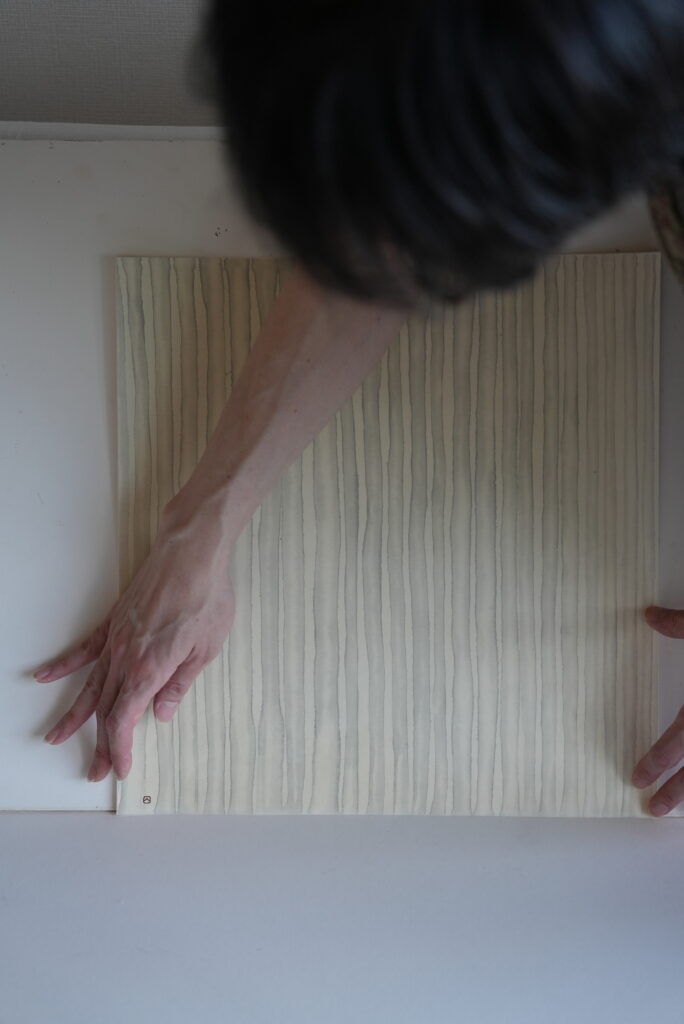
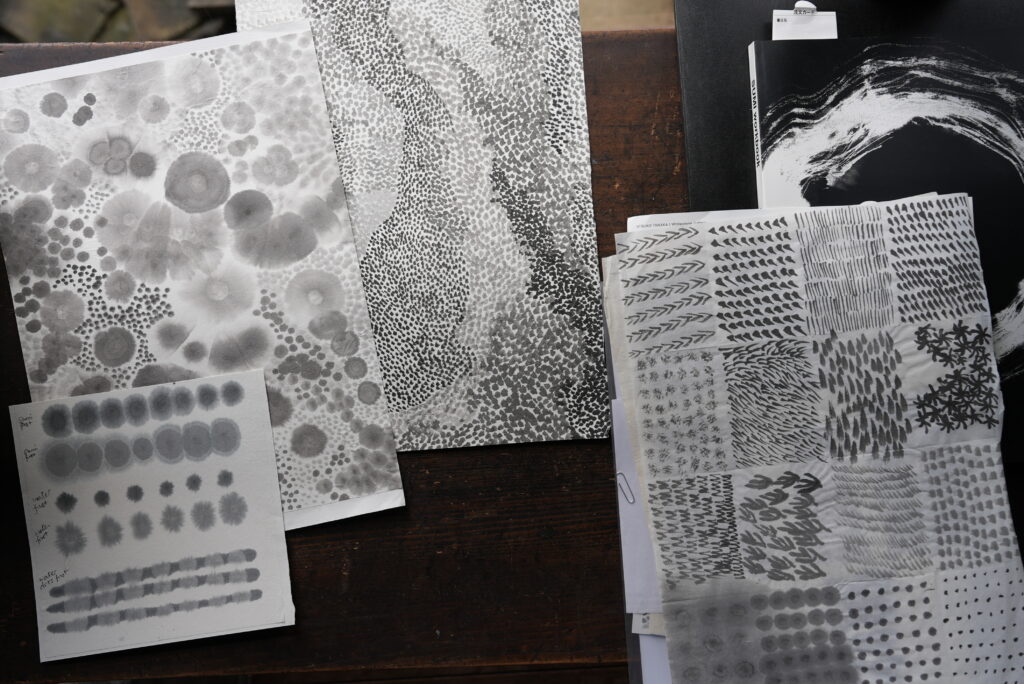
- Guided Lessons — including traditional and nontraditional line and dot techniques, gradation and wash techniques, design and composition with reference to Japanese aesthetics, large-scale artwork, and instruction in backing techniques.
- Sumi Ink Art Kit — includes a quality sumi ink stick, an inkstone, three brushes (small, medium, and large), a felt underlay, a water container, two mixing dishes, and paperweights. Artists may take these tools and materials home after the residency.
- Sumi Workbook — an English-language workbook written by the instructor.
- Personal Seal Carving — a workshop with a professional seal carver to create a personal seal.
- Themed Field Trips:
- Visit two sumi ink makers in Nara, with opportunities to try out a variety of high-quality sumi ink sticks.
- Observe the brush-making process at a traditional brush maker’s workshop in Nara.
- Experience Japanese papermaking at a washi workshop in Nara.
- Meet an antique art dealer to learn how sumi ink art has traditionally been used, and continues to be used, to decorate spaces.
- Dedicated Studio Environment — each artist will have a personal work desk in a shared studio.
- Personal Project Development — throughout the program, artists are encouraged to explore what they learn and develop their own projects with guidance from the instructor.
- Four-Week Accommodation — choose between staying in the historic 18th-century Toma House or the renovated annex building, Toma Beige, next door.
This Program is For
- Artists, craftspeople, curators, researchers, designers, and individuals with a keen interest in learning sumi ink art.
- No prior experience in sumi ink art is required.
2027 Program Fees
Program fees vary depending on the building and room selected. Please refer to our Application Guidelines and Q8 in the FAQ section below for more details.
- OPENING SPECIAL DISCOUNT for 2027 Spring Session!!
- To celebrate the opening session of the Sumi Ink Art Residency, a special discount of 100,000 JPY is offered on all room options for the 2027 Spring Session.
- From 435,000 JPY for rooms in Toma Beige
- From 523,000 JPY for rooms in Toma House
- 2027 Autumn Session:
- From 535,000 JPY for rooms in Toma Beige
- From 623,000 JPY for rooms in Toma House
- Notes for artists applying for external grants:
- Once a place is offered to you, we will be happy to provide the necessary documents to support your grant or funding application.
- As funding decisions may take several months, we encourage applicants to prepare and submit their funding applications as early as possible.
- Room assignments are confirmed in the order of enrollment. While we will do our best to accommodate grant-supported artists in their preferred rooms, if the preferred room option has already been reserved by another applicant who completed the enrollment process earlier, an alternative accommodation option will be offered.
File: 2027 Sumi Ink Art Residency – Application Guidelines
Application Procedure
- Please read and understand the Application Guidelines before starting the application.
- Fill in the Online Application Form
- Spring Session: March 13 – April 9, 2027
- Autumn Session: November 20 – December 17, 2027
- An application confirmation e-mail will be sent to you.
- Once a place is offered to you, we will send you an Invitation Agreement, followed by the Program Invoice for enrollment.
- Notes on Room Assignments:
- Room assignments are made in the order that signed Invitation Agreements are received.
- Once we receive your signed Invitation Agreement, your accommodation will be held and a Program Invoice will be sent to you.
- From the issue day of the Program Invoice, the first payment must be received within 14 days as the enrollment deposit to officially reserve your place.
- If the enrollment deposit is not received within this period, the place and accommodation may be released to another applicant. An alternative accommodation option will be offered.
Application Deadlines
Spring Session: January 31, 2027
Autumn Session: June 30, 2027
- Early application is encouraged, as applications are reviewed and places are offered on a rolling basis.
- Applications may close earlier if a session becomes fully booked before its official deadline.
Christine Flint Sato – Artist and Instructor
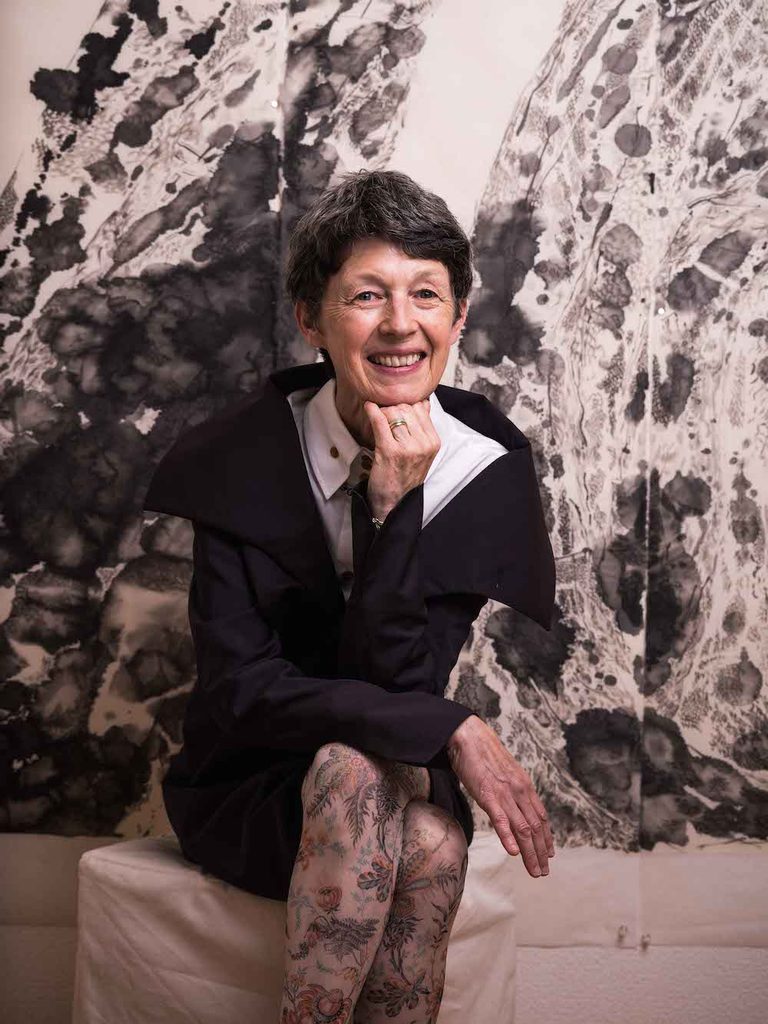
Christine Flint Sato is a British sumi ink painter based in Nara, the center of sumi ink production in Japan.
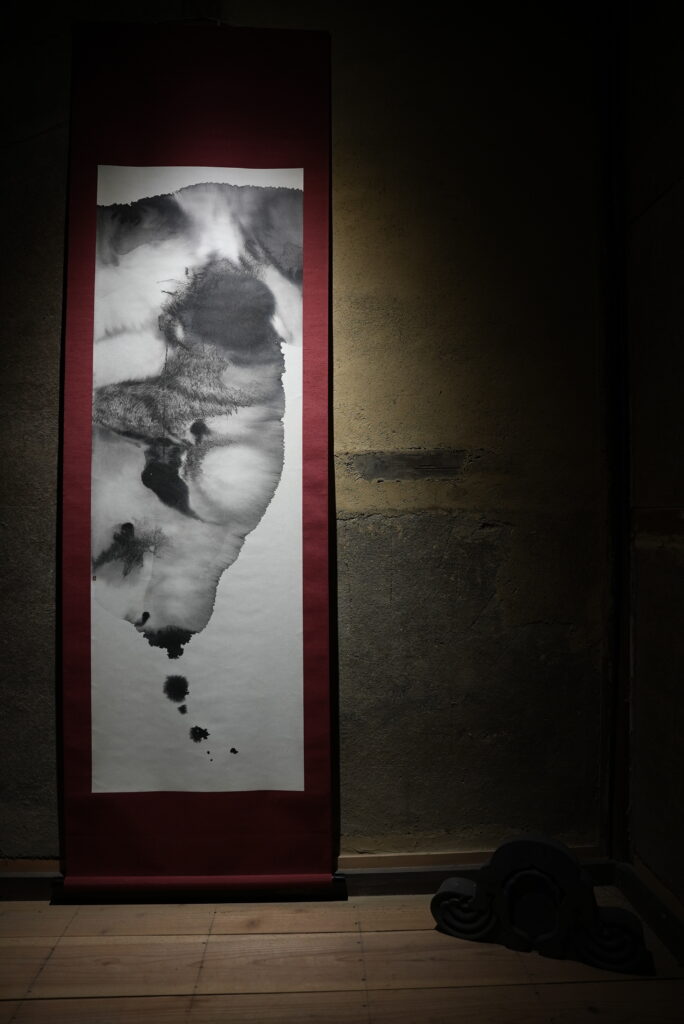
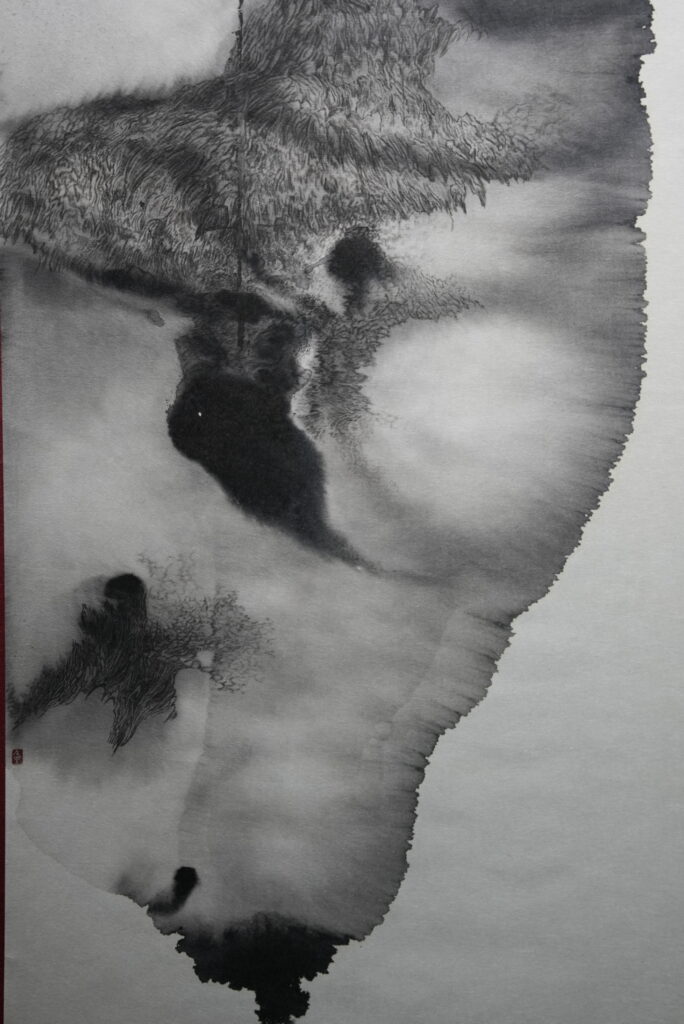
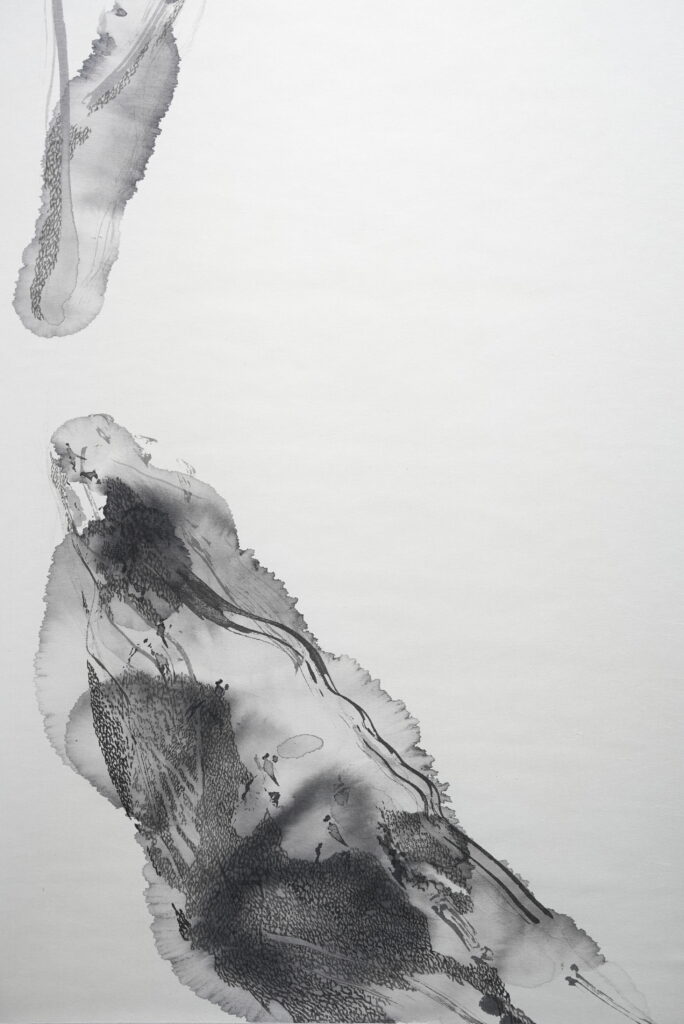
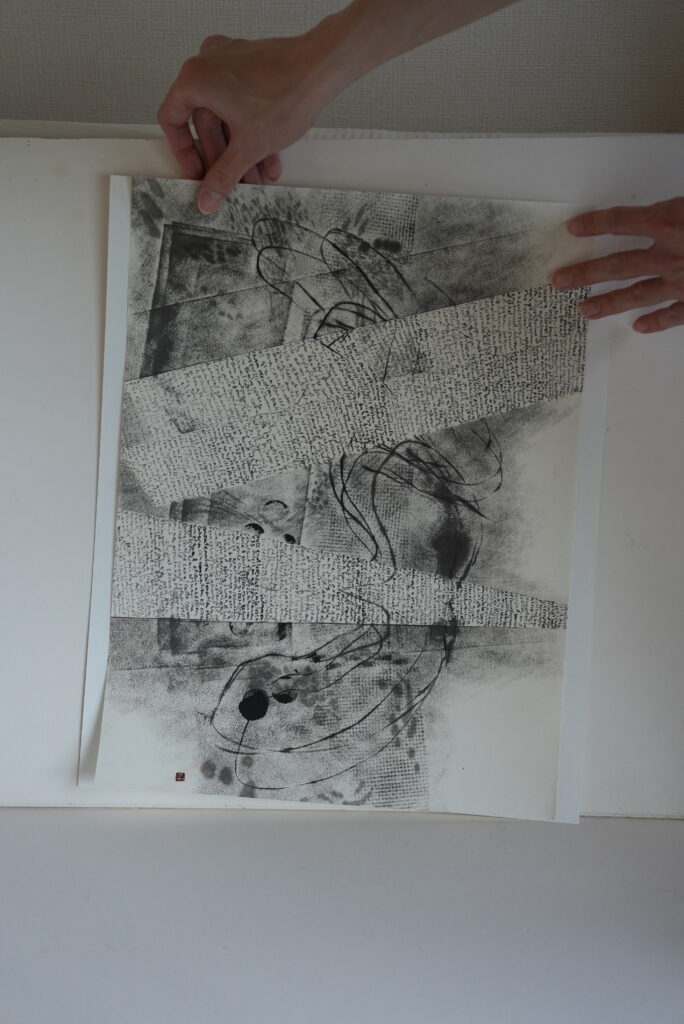
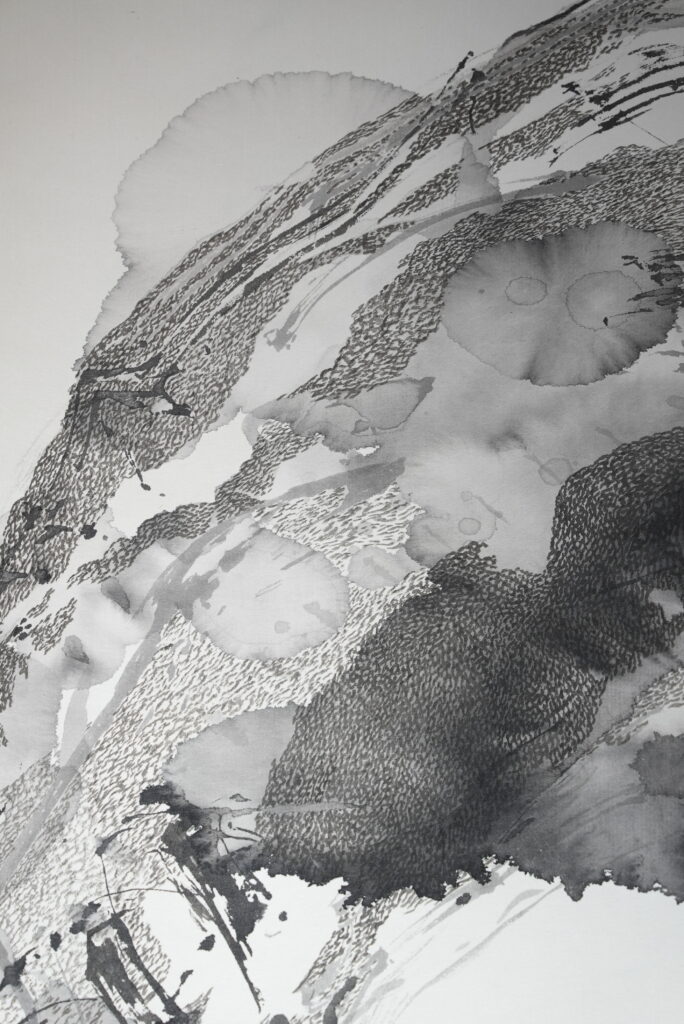
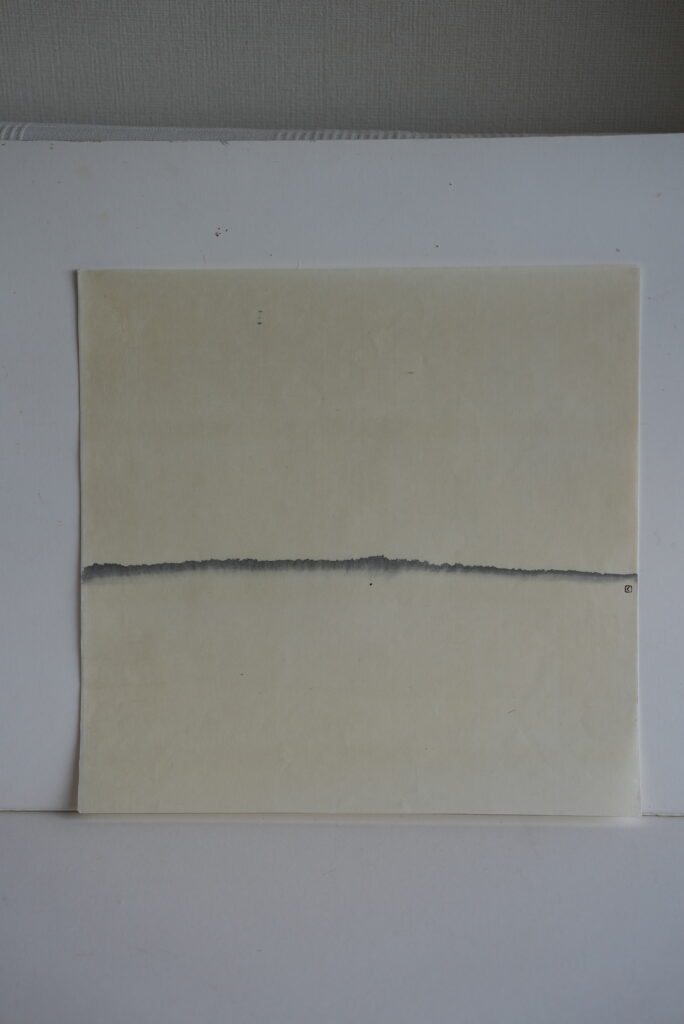
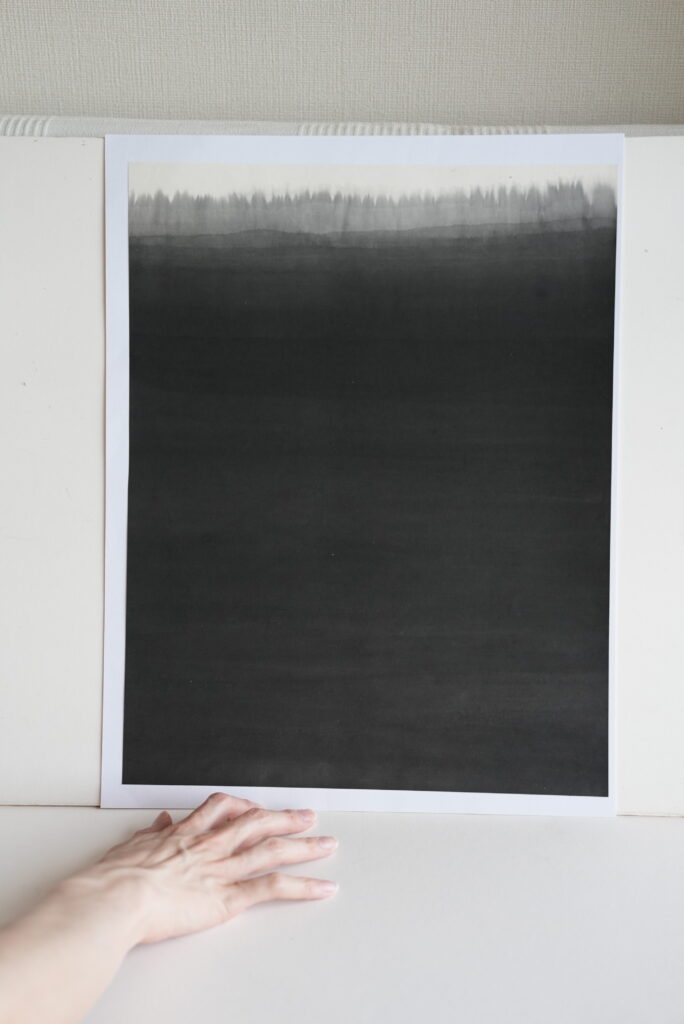
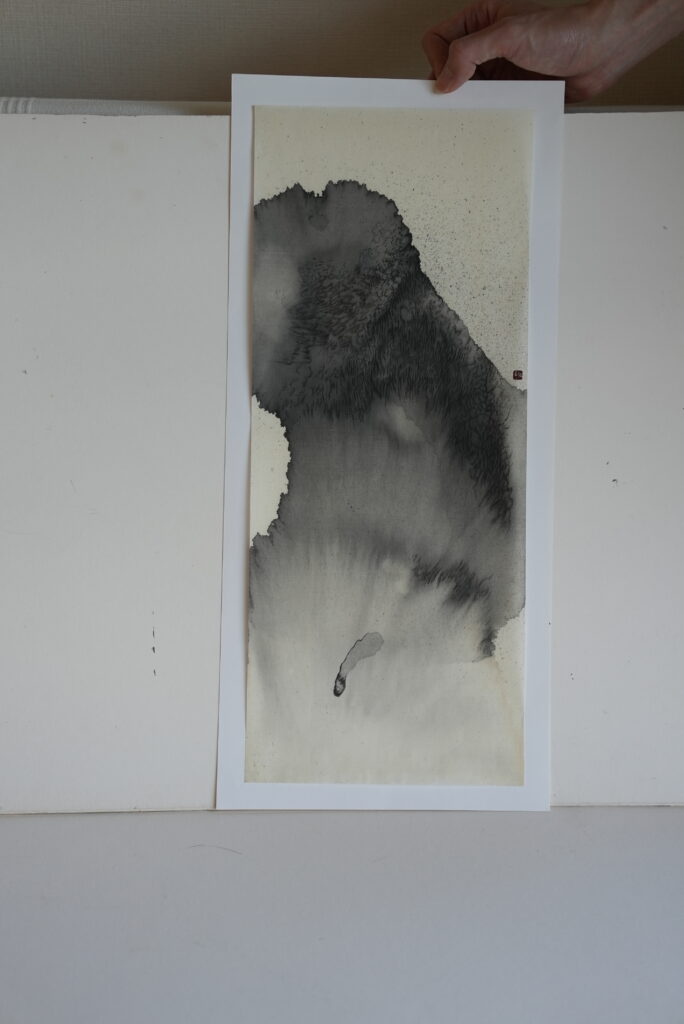
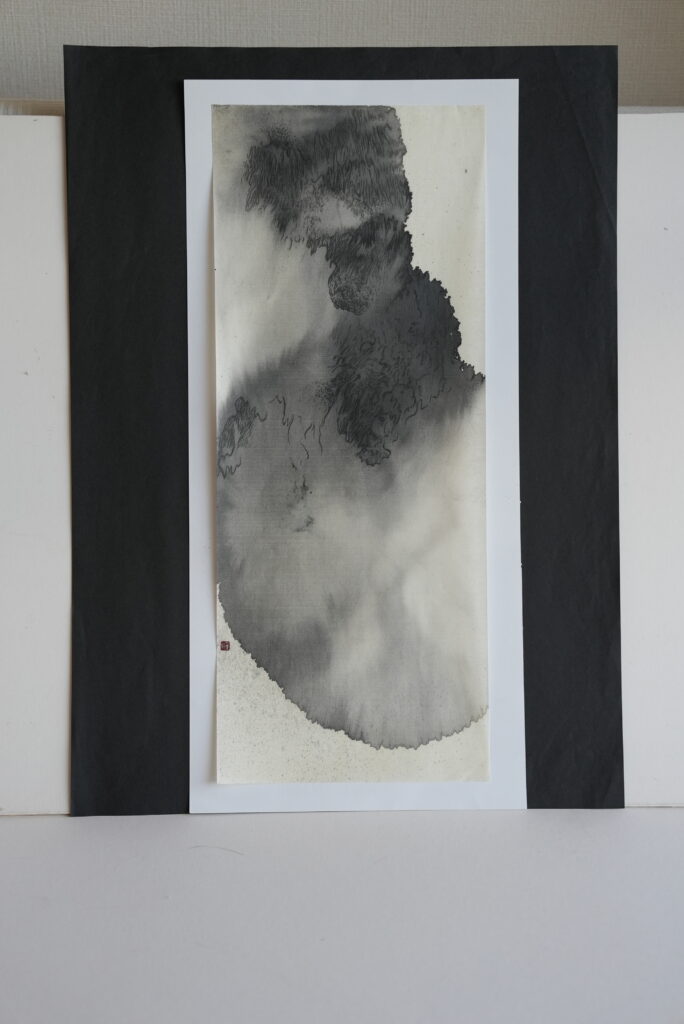
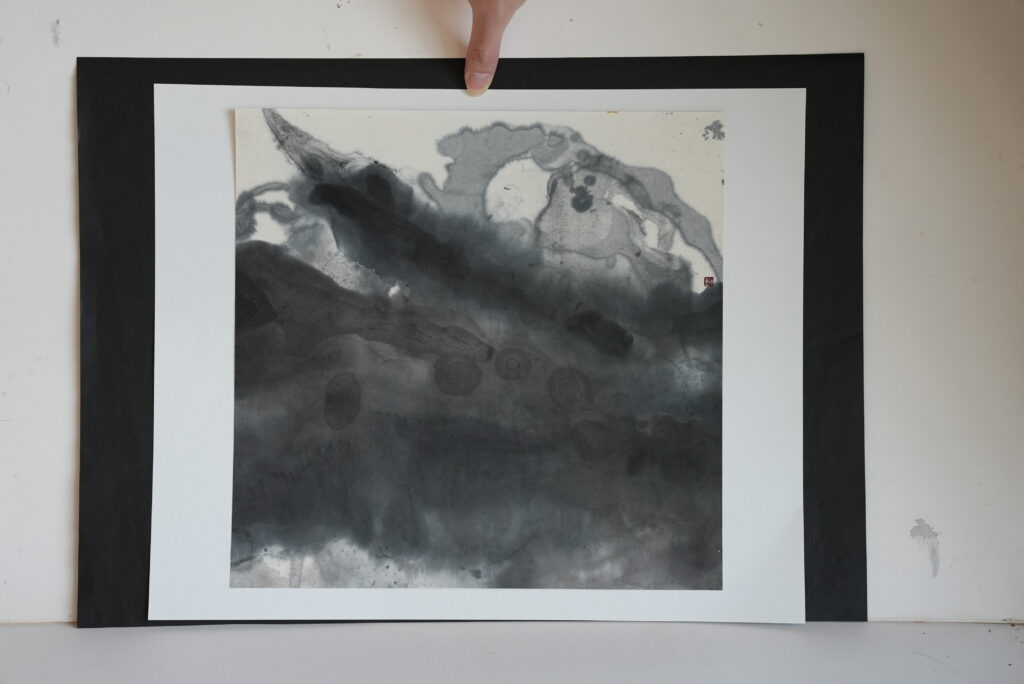
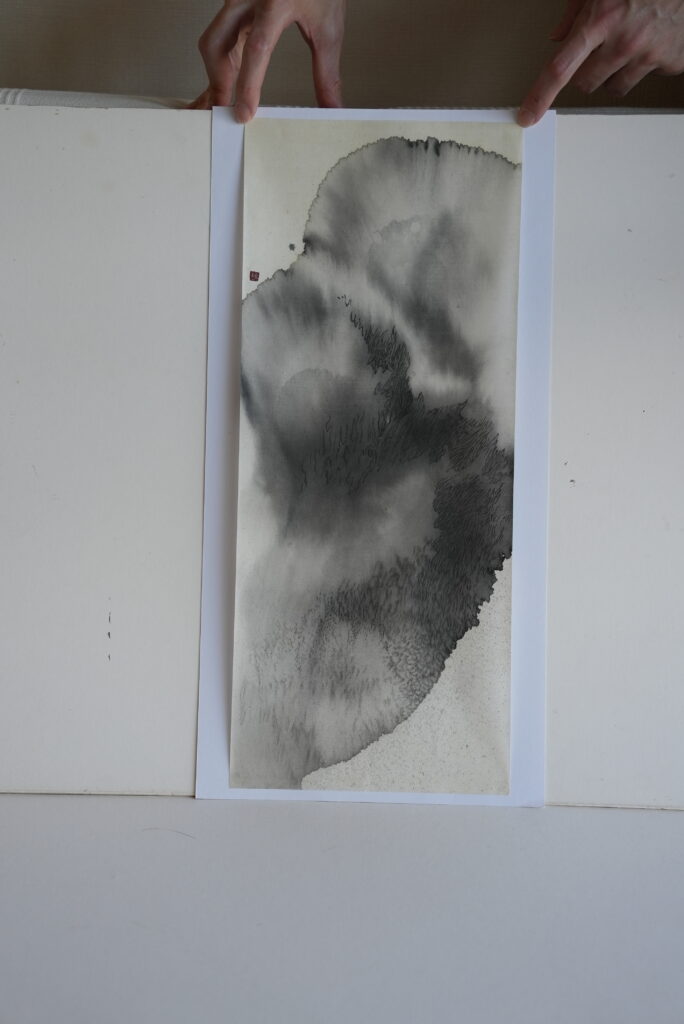
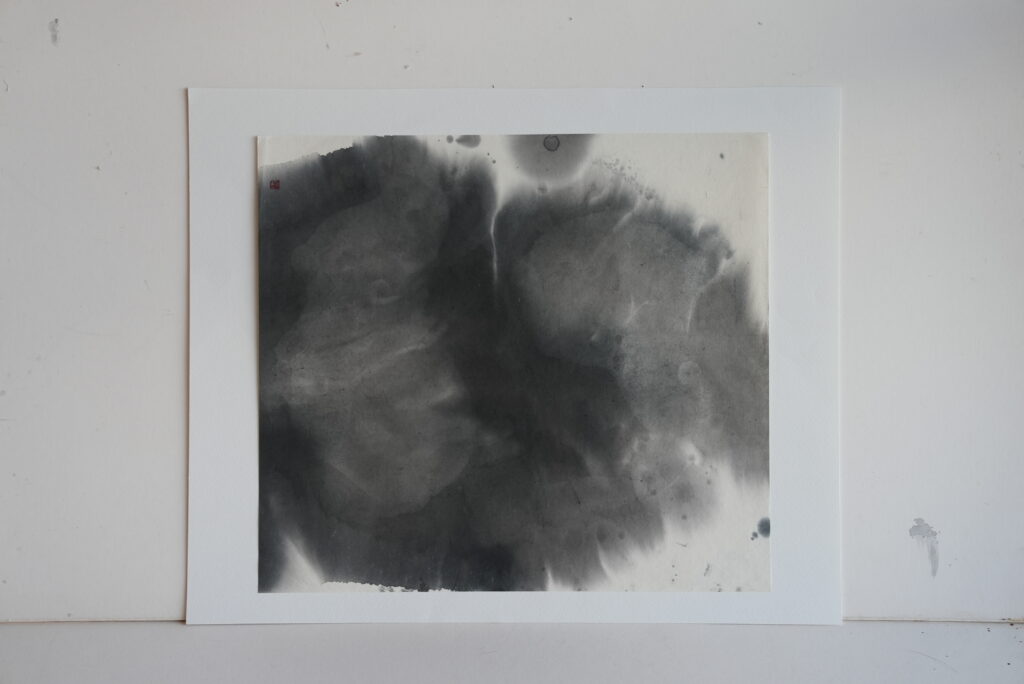
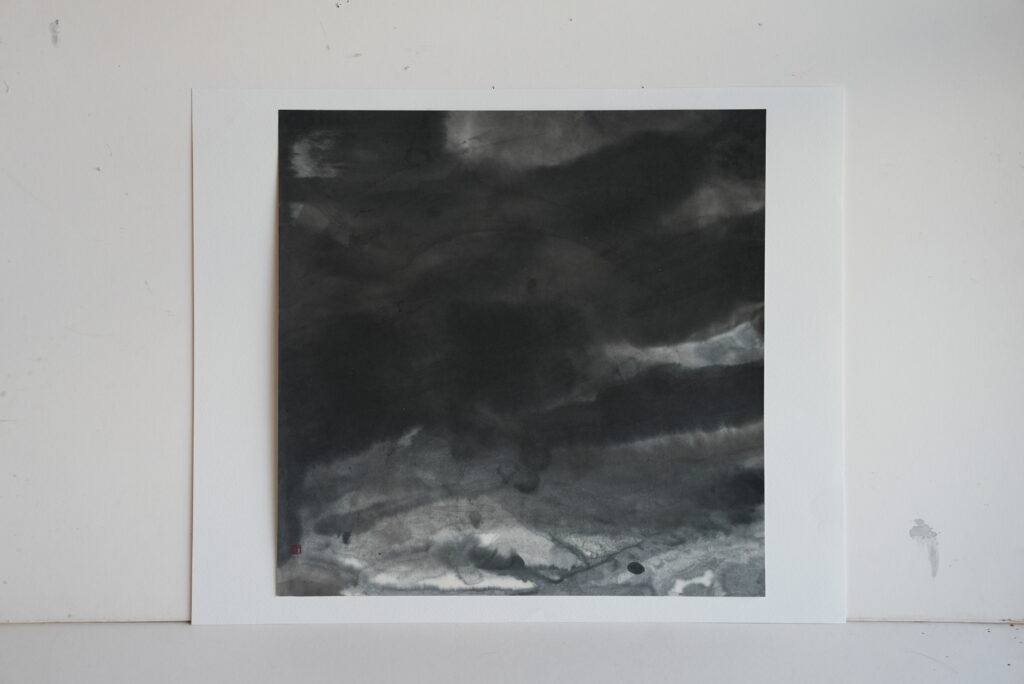
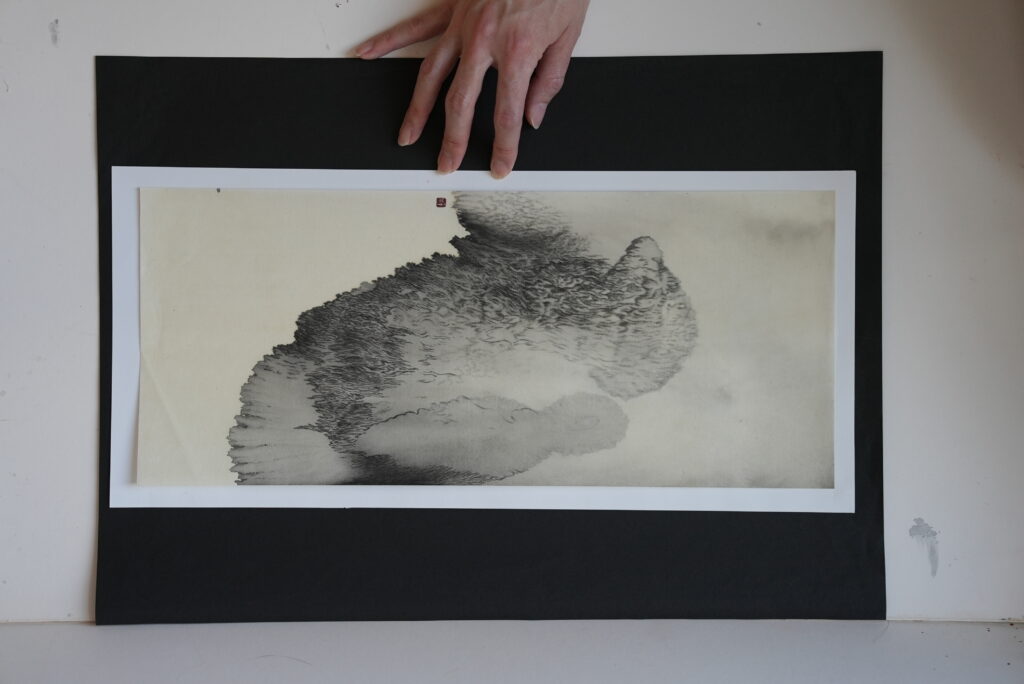
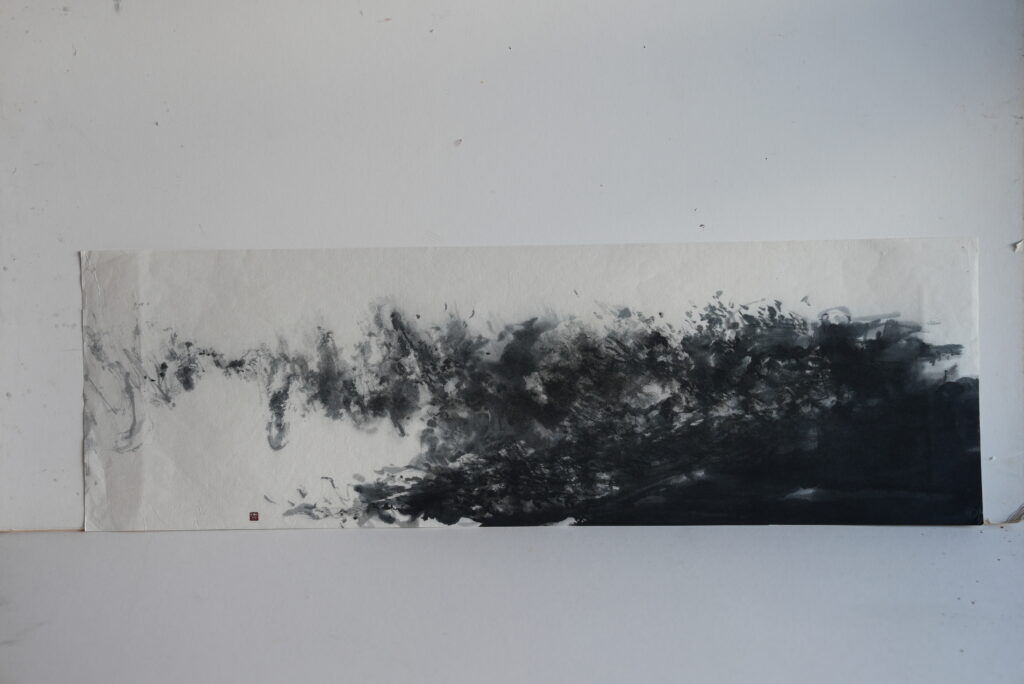
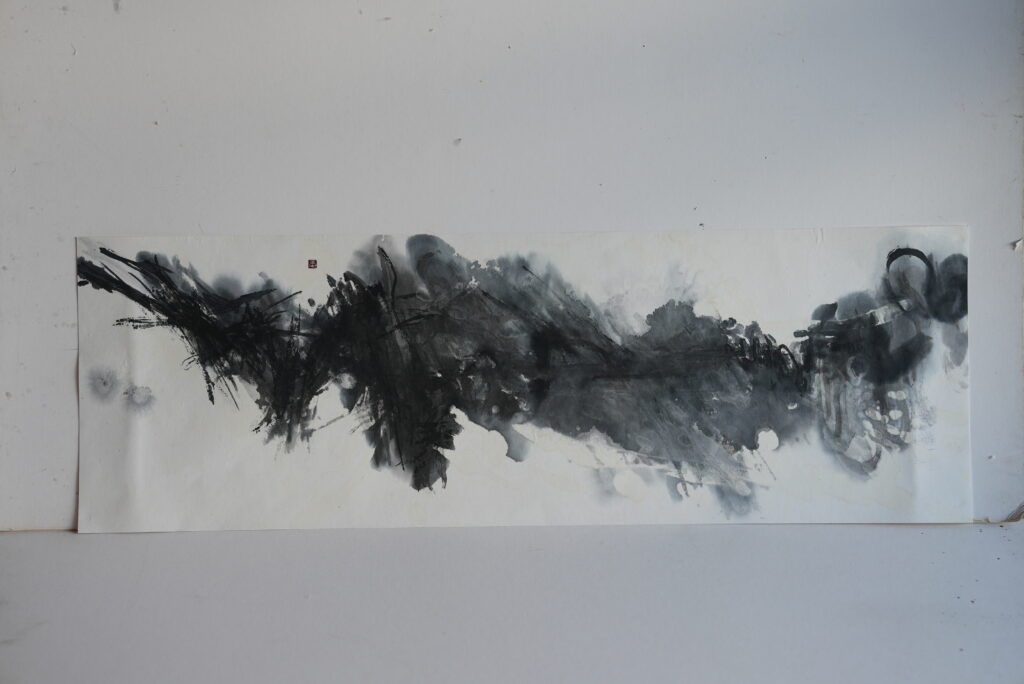
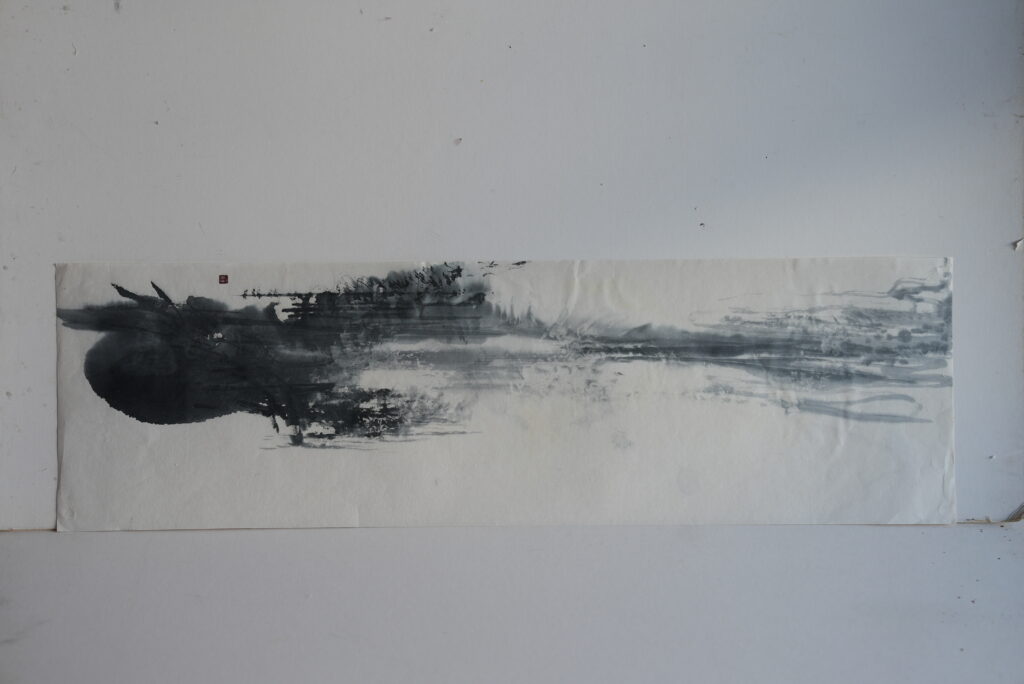
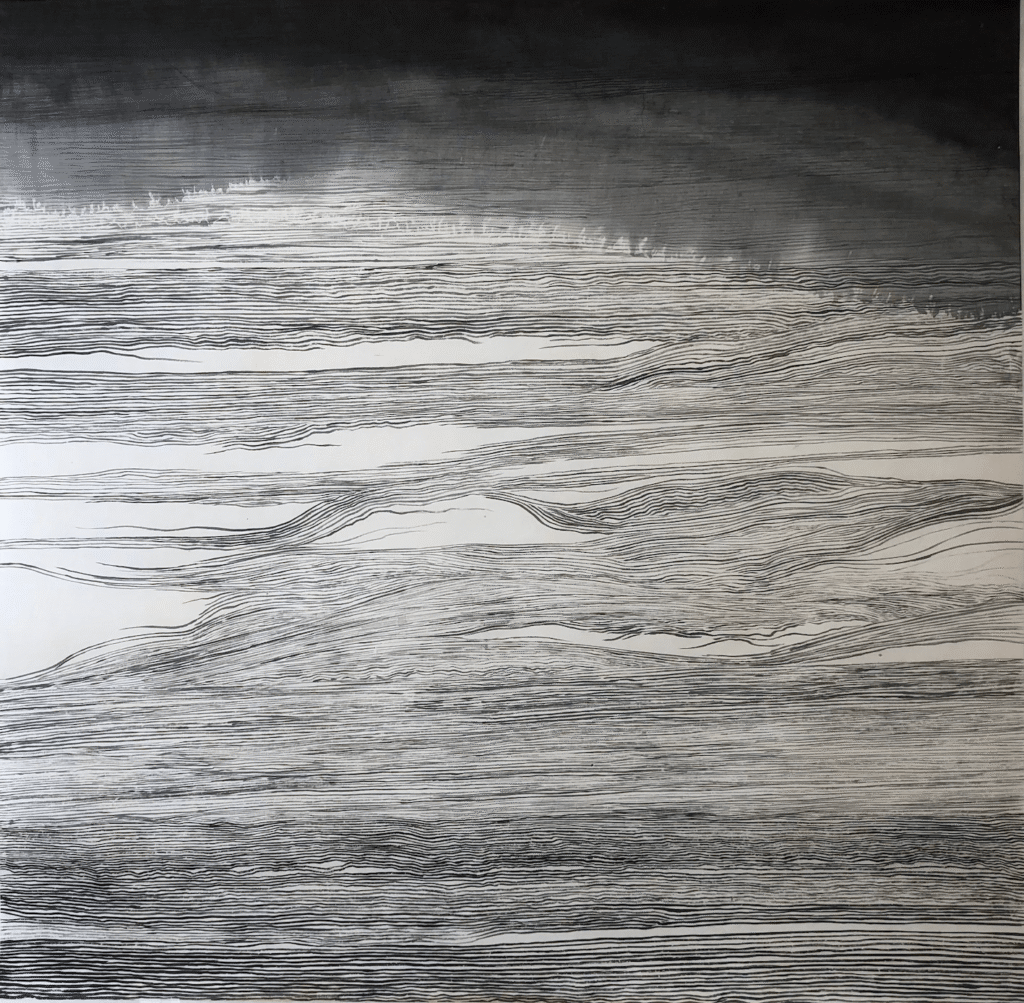
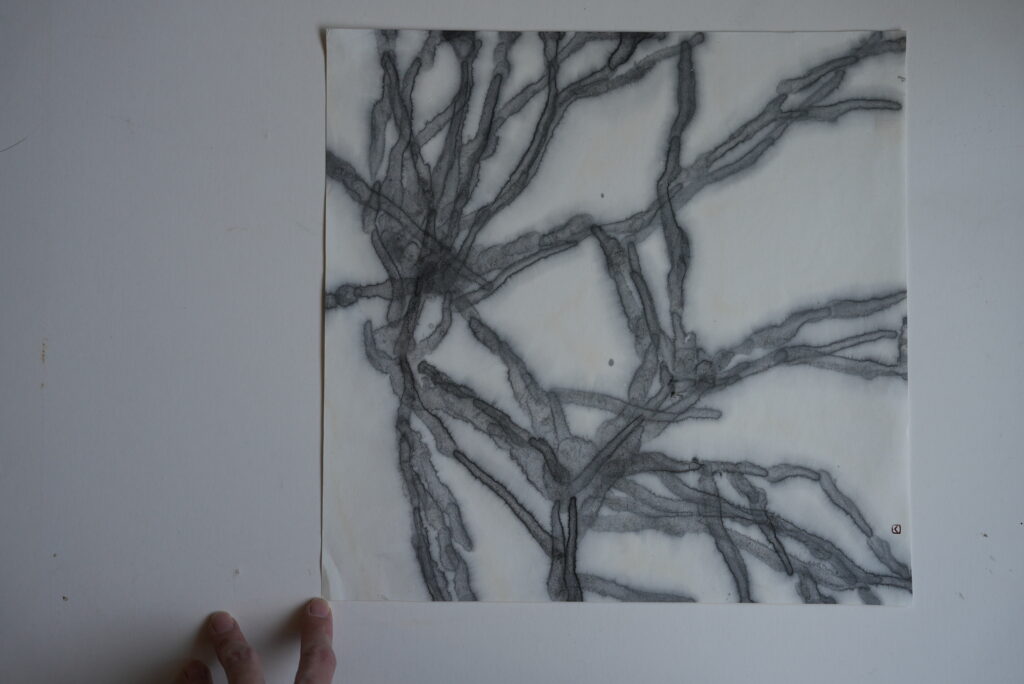
Captivated by the beauty of sumi ink arts, she studied shodo (calligraphy) under Japanese calligrapher Seika Kawabe and suibokuga (ink painting) under Chinese ink painter Li Geng. Her artwork is held in gallery and private collections. It is abstract and inspired by the natural world. The sumi ink medium itself is organic and vibrantly alive, offering limitless potential for exploration.
Alongside her studio work, she researches and writes about the sumi ink arts and is keen to share her knowledge of these art forms and their practice. She published Japanese Calligraphy: The Art of Line and Space in 1999 and Sumi Workbook in 2014.
During the residency, she will introduce you to core techniques based on sumi ink art traditions, while supporting you in exploring the medium and developing your own artwork.
Watch Nowness Asia short film featuring Christine speaking about Sumi Ink Art and Hyogu.
Important Notes
- Due to the competitive, rolling-based selection, we encourage early applications to secure your place.
- All instruction is conducted in English.
- A minimum of four participants is required for the program to take place.
- This is a self-funded open-call program. Participants are responsible for the program fee and any additional expenses not covered by the fee.
Frequently Asked Questions
Q1: What is the program structure?
- 10 days of sumi ink art instruction, held two or three times a week on weekdays
- 3 full-day field trips
- A personal seal-carving workshop
- Practical experiences during field trips, including washi making, learning about sumi making tradition in Nara, making your own sumi ink stick, and the ways to appreciate sumi ink art.
Q2: What are the instruction hours? Do we have free time outside of the program?
Instruction hours are typically from 9:30 AM to 4:00 PM, including a 1.5-hour lunch break.
The non-lesson days are free time for rest, independent studio practice, personal project development, and exploration in and around Nara.
Q3: What does the program fee cover?
- Private bedroom accommodation for the duration of the four-week residency
- Shared studio, kitchen, toilet, shower, and laundry facilities
- A personal work desk in the shared studio
- 10 days of sumi ink art instruction
- Three field trips, including transportation and scheduled visits and activities
- A personal seal-carving workshop
- An individual sumi ink art kit
- Basic materials for lessons and studio practice during the residency
- An English-language copy of Sumi Workbook written by Christine Flint Sato
Q4: What is not covered?
- Flight tickets and transportation costs
- Food and personal living expenses
- Travel and medical insurance
- Visa fees, if applicable
- Additional tools and materials for personal or future practice — see Q5
- Packing and shipping costs
Q5: Where can I buy additional materials for my future practice?
Each artist will receive a sumi ink art kit during the program. Together with the shared studio materials, the kit provides the basic tools and materials needed for the program and can be taken home for future practice.
Artists who wish to purchase additional materials for their home studios may visit local art supply stores during their stay. Some of these stores also offer international shipping.
Q6: How many artworks will I create? Do I need to bring my own tools to practice?
During the residency, artists will practice skills and techniques for sumi ink art.
The emphasis is on exploration and practice rather than producing a specific number of artworks. In the process, artists will most likely create artworks that they may wish to back during the final week of the program.
Artists do not need to bring their own tools for the classes, but they may bring their own water-based art materials and tools to combine their artistic styles and methods with sumi ink art techniques.
Q7: Will we use color in the classes?
The classes will focus on the use of sumi ink. If you would like to use color in your own projects, you may bring your water-based paints or purchase them during your stay.
Q8: What are the accommodation options?
Toma House AIR is composed of two buildings sharing the same garden:
- Toma House – The 18th-century Former Priest Family House
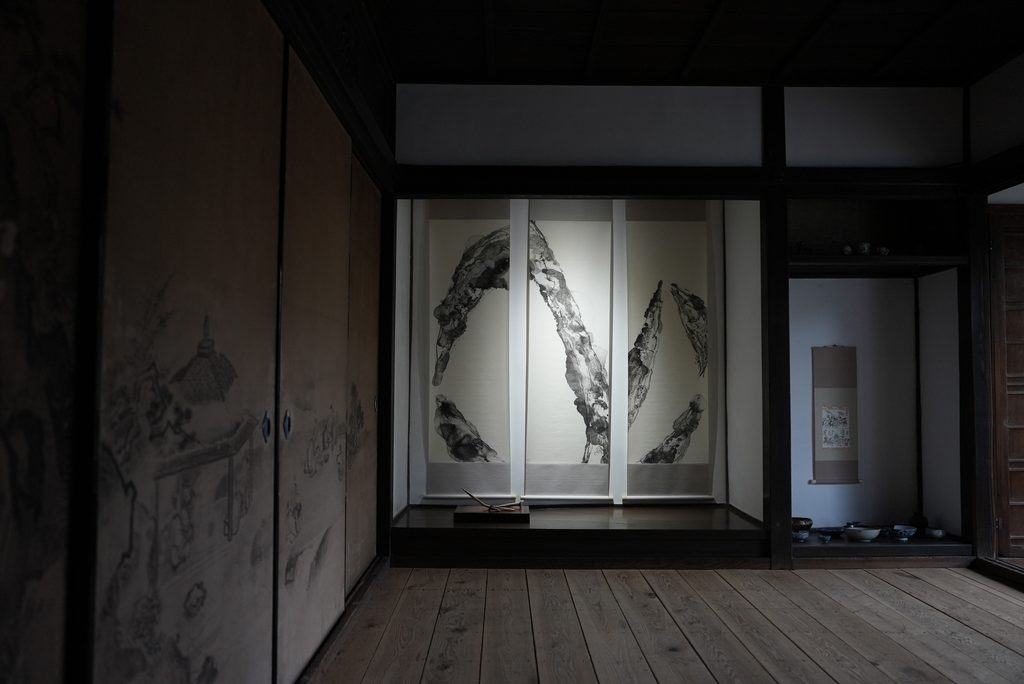
- A Registered Tangible Cultural Property of Japan. This house can host up to two artists and has a big studio which can serve as a gallery, classroom, and performance space. The house is conserved following the traditional architecture craftsmanship specific to a sha-ke architecture (the traditional residence of Shinto shrine priest families), and parts of the house are still in its own cycle of restoration, suitable for those who appreciate the beauty of an old Japanese traditional house.
- Toma Beige – The Annex
- A 2025 renovated annex next to Toma House. This house can host up to four artists.
- Notes:
- Please refer to the Application Guidelines for more details about the bedrooms.
- Shared facilities of two buildings include the studios, kitchens, toilets, showers and laundry facilities.
- To safeguard the historic wooden house together, all artists and visitors are required to follow our non-smoking policy and house rules.
Q9: Can I bring my partner to stay during the residency period?
Room A in Toma House is the biggest artist bedroom furnished with a semi-double bed. It is possible to bring one partner to stay in this room for an additional fee. Please inquire with us about the fee for an extra person.
Toma House AIR on social media