Kintsugi for Artists:
A Four-Week Immersive Program in Traditional Urushi Kintsugi & Maki-e Techniques
2027 Program Dates
- Spring Session: April 17th to May 14th
- Autumn Session: September 11th to October 8th
Program Overview
Kintsugi Residency is a four-week immersive program designed specifically for artists and creative practitioners who seek to build a foundation in urushi-based kintsugi practice and maki-e, a decorative method originated in urushi lacquer art. Artists will gain the essential knowledge to plan and carry out traditional urushi-based kintsugi repairs and apply maki-e decorative techniques in their own kintsugi practices.
Highlights
- Kintsugi for Artists — a practice-driven curriculum tailored to creative practitioners to build an independent practice in art or kintsugi repair.
- Maki-e & Lacquer Art Instructions — an introduction to traditional decorative techniques of maki-e, the traditional urushi artform that kintsugi is based on.
- Kintsugi Kit — each artist will receive a professional urushi-based kintsugi kit including genuine gold and silver powder, different types of urushi, brushes, spatulas, and maki-e materials, etc., to support your residency projects and beyond the residency.
- Guided Studio Projects — from start to finish
- Different kinds of kintsugi repair methods using natural urushi lacquer.
- An introduction to build a foundational knowledge in urushi lacquer and maki-e techniques.
- Your personal projects are encouraged with instructor guidance.
- Curated Field Trips — to local suppliers, cultural places, and a tea ceremony experience to deepen understanding of kintsugi, urushi, aesthetics, and traditional craftsmanship.
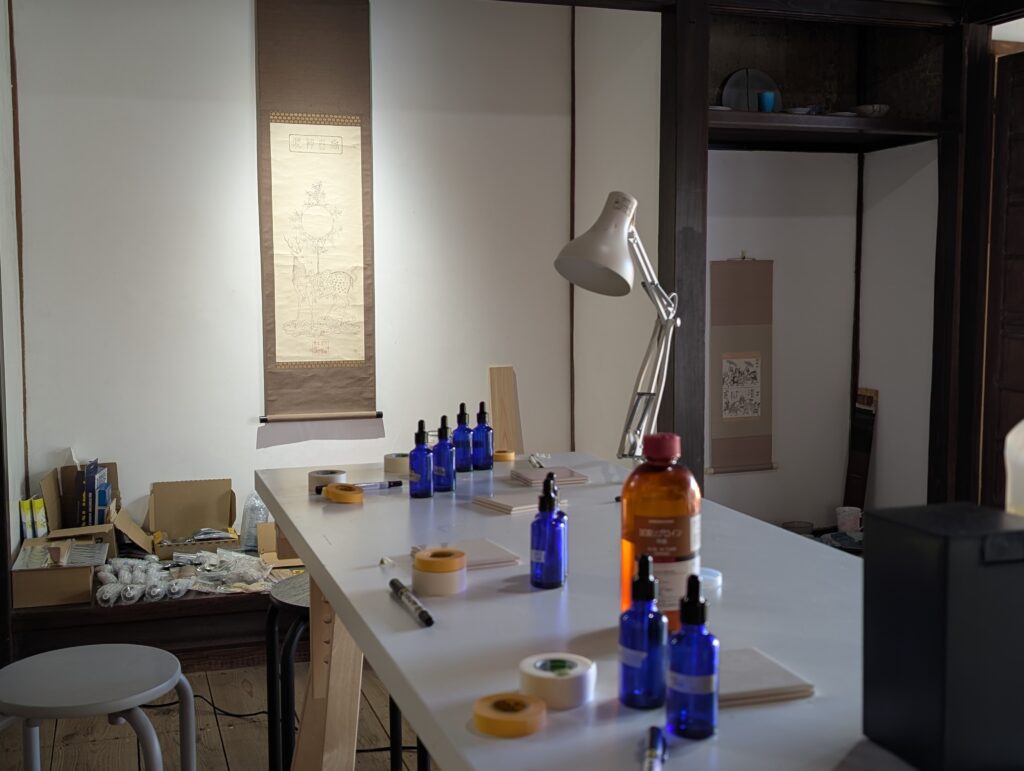
- Dedicated Studio Environment — Each artist will have a personal work desk in a shared studio equipped with professional studio tools, materials and an urushi furo (the special storage space to cure kintsugi and urushi artworks).
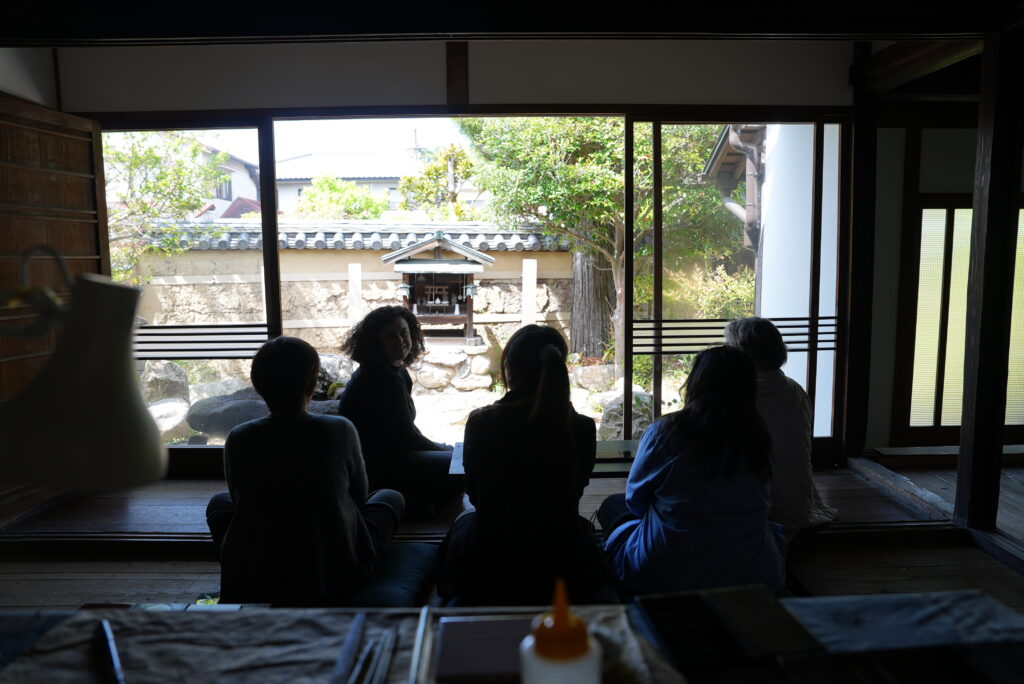
- 4-weeks Accommodation in Toma House AIR – Choose between staying in the 18-century registered tangible cultural property, or in the annex building next door.
This Program is For
- Artists, potters, and ceramicists who are seeking to learn traditional urushi-based kintsugi and maki-e techniques to integrate into their own artistic practices.
- Craftspeople, conservators, designers and related practitioners who are interested in kintsugi repairs.
- Anyone who wants to learn traditional kintsugi and the creative ways to decorate with maki-e techniques.
- Prior experience with kintsugi, urushi and maki-e is not required.
2027 Program Fees
The program fees vary from the buildings/rooms selected by the applicants, please refer to our Application Guidelines and Q7 in the FAQ section below for more details:
- Spring Session or Autumn Session:
- From 628,000 Japanese Yen for rooms in Toma Beige.
- From 696,000 Japanese Yen for rooms in Toma House.
- Notes for artists applying for external grants or fundings:
- Once a place is offered to you, we will be happy to provide the necessary documents to support your grant or funding application.
- As funding decisions may take a few months, we suggest applicants to prepare and submit their funding applications as early as possible.
- Room assignments are confirmed in the order of enrollments. We will do our best to accommodate grant-supported artists in their preferred rooms, however, if the preferred room has already been booked by another applicant who confirmed their enrollment earlier, there will be an alternative room option.
File: 2027 Kintsugi Residency – Application Guidelines
Application Procedure
- Please read and understand the Application Guidelines before starting the application.
- Fill in the Online Application Form
- Spring Session: April 17th to May 14th
- Autumn Session: September 11th to October 8th
- An application confirmation e-mail will be sent to you.
- Once a place is offered to you, we will send you an Invitation Agreement, followed by the Program Invoice for enrollment.
- Application Close Dates:
- Spring Session: December 30th, 2026
- Autumn Session: April 30th, 2027
- Early application is encouraged as candidates are accessed and offered on a rolling-basis.
- Applications may close before the official deadline if both sessions become fully booked.
- Notes on Room Assignments:
- Room assignments are made in the order that signed Invitation Agreements are received.
- Once we receive your signed Invitation Agreement, your accommodation will be held and a Program Invoice will be sent to you.
- From the issue day of the Program Invoice, the first payment must be received within 14 days as the enrollment deposit to officially reserve your place.
- If the enrollment deposit is not received within this period, the place and accommodation may be released to another applicant. An alternative accommodation option will be offered.
Clementine Nuttall – Artist and Instructor

Your primary instructor, Clementine Nuttall, is a British artist, conservator, and craftsperson with a decade of experience working with kintsugi. Driven by a deep passion for the philosophies of making, mending, and material culture, she moved to Tokyo in 2017, as a recipient of the Japanese Ministry of Culture’s Monbukagakusho Scholarship, to study kintsugi at Tokyo University of the Arts’ Department of Urushi.
Clementine is committed to preserving and sharing this traditional Japanese technique with a global audience while exploring its potential to contribute to a more sustainable world. She will guide you through the fundamental processes of kintsugi, encouraging you to approach the method through your unique perspective while honoring the traditions and techniques of the past.
https://www.clementinenuttall.com
Important Notes
- Due to the competitive selection and a rolling-based selection, we encourage early applications to secure your place.
- This is a self-funded residency program. Participants will finance themselves throughout the program.
- About natural urushi lacquer:
- This program uses natural urushi lacquer for traditional kintsugi repair. Urushi, the sap of the urushi tree, is an extraordinary natural material that restores the strength and functionality of broken ceramics. Once fully cured, natural urushi is durable, water-resistant, and safe for use with food.
- Please note that uncured (wet) urushi may cause skin irritation or allergic reactions, depending on an individual’s sensitivity.
- Safe handling procedures will be taught at the beginning of the program, and participants are expected to follow these guidelines throughout the residency. By taking part, participants acknowledge and accept the risks associated with working with natural urushi. While every effort will be made to provide a safe working environment, the residency cannot accept responsibility for allergic reactions or other adverse responses resulting from individual sensitivity to urushi.
Frequently Asked Questions
Q1: What is the program structure?
- 10 days of lessons held 2-3 times per week
- 3 curated field trips
- The remaining days are left open for rest, self-directed studio practice, and exploring Nara and its surrounding areas at your own pace.
Q2: Can I practise with my own ceramic or pottery?
Yes! You are very welcome to bring your own ceramic pieces to the residency. Depending on the complexity of the damage and the time available, it may not be possible to complete the repair during the residency. However, we can assess the piece together, develop an appropriate repair strategy, and begin the restoration process.
Q3: What does the program fee cover?
- 4-week (28 days) accommodation in a private bedroom
- Shared studio, kitchen, toilet, shower, and laundry facilities
- Field trips
- Kintsugi and maki-e instruction
- A valuable, professional grade Kintsugi Kit with real gold to support your residency projects and future practice
- Personal work desk in a shared studio equipped with professional tools, materials and the urushi furo
- An English-language Kintsugi Handbook
Q4: What is not covered?
- Travel and transportation costs
- Food
- Insurance and visa
- Other personal expenses such as shopping, extra materials, packing and shipping fees, etc.
Q5: Where do I buy additional materials for kintsugi?
- Each artist will receive a professional Kintsugi Kit in the program, it is sufficient to complete all the projects to learn during the residency and will last for future practice. If the artists want to stock up any additional materials for their home studio, they may purchase from local supply stores during their stay. A few of them are available with international shipping.
Q6: Can I teach after finishing the residency?
This residency is designed to provide artists who are new to kintsugi with a strong foundation in traditional urushi-based kintsugi repair and the techniques of maki-e. While participants will develop practical skills and an understanding of the craft, becoming a teacher requires continued practice, experience, and respect for the tradition. Many of our past participants have gone on to share their experiences at Toma, but if, when, and how participants choose to teach kintsugi is a personal decision.
Q7: What are the accommodation options?
Toma House AIR is composed of two buildings sharing the same garden:
- Toma House – The 18th-century Former Priest Family House
- A Registered Tangible Cultural Property of Japan. This house can host up to two artists and has a big studio which can serve as a gallery, classroom, and performance space. The house is conserved following the traditional architecture craftsmanship specific to a Shake Architecture (the traditional residence of Shinto shrine priest families), and parts of the house is still in its own cycle of restoration, suitable for those who appreciate the beauty of an old Japanese traditional house.
- Toma Beige – The Annex
- A 2025 renovated annex next to Toma House. This house can host up to four artists.
- Notes:
- Please refer to the Application Guidelines for more details about the bedrooms.
- Shared facilities of two buildings include the studios, kitchens, toilets, showers and laundry facilities.
- To safeguard the historic wooden house together, all artists and visitors are required to follow our non-smoking policy and house rules.
Q8: Can I bring my partner to stay during the residency period?
Room A in Toma House is the biggest artist bedroom furnished with a semi-double bed. It is possible to bring one partner to stay in this room with an additional fee. Please inquire with us about the fee for an extra person.
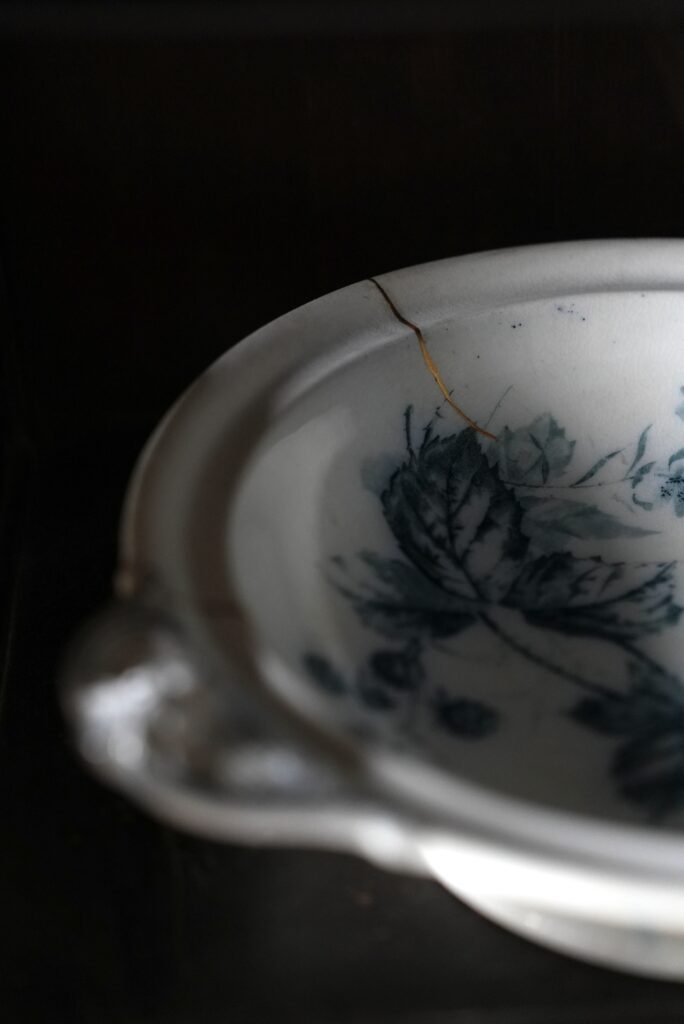
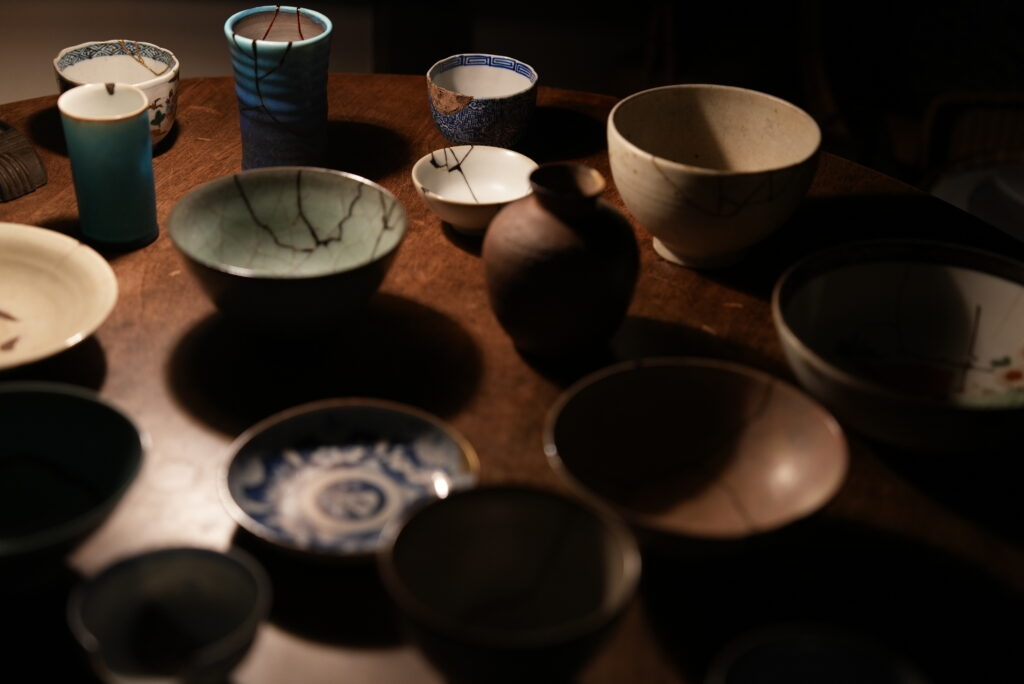
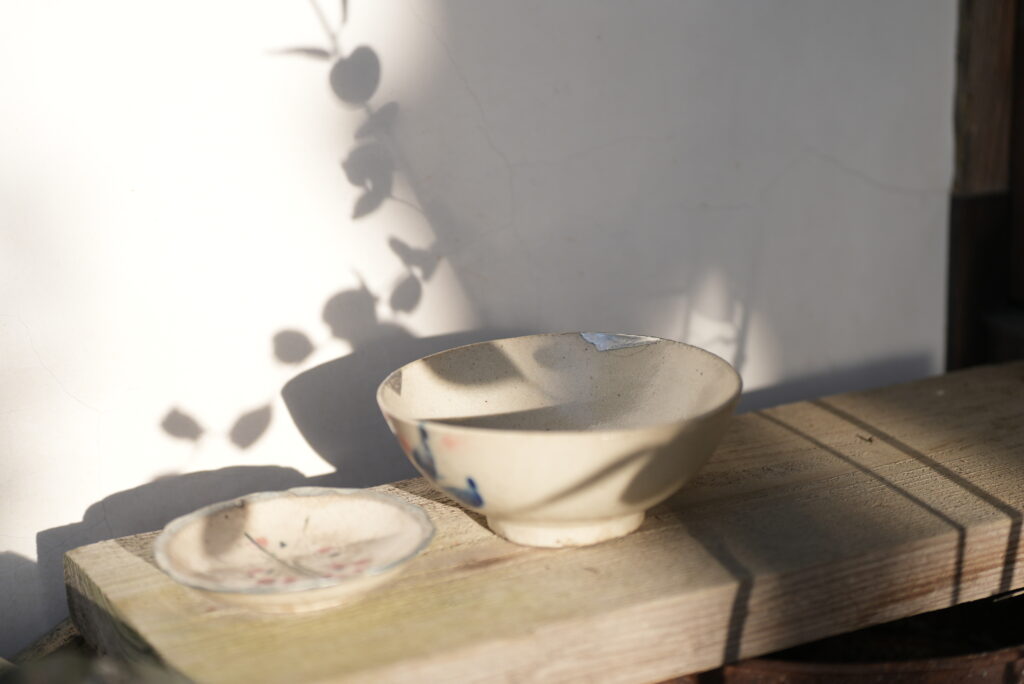
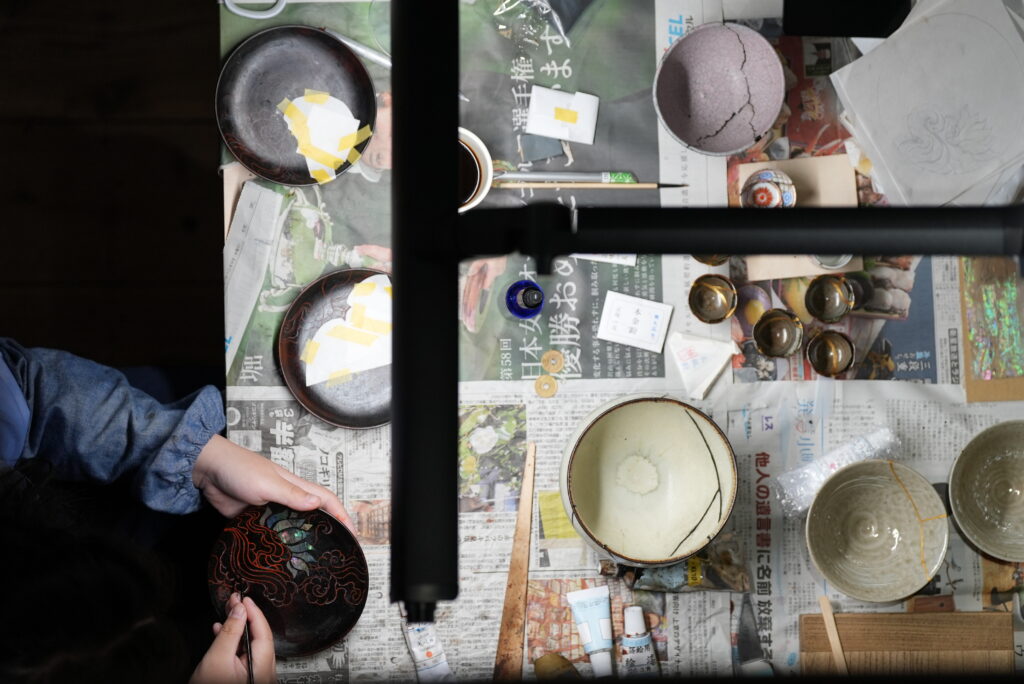
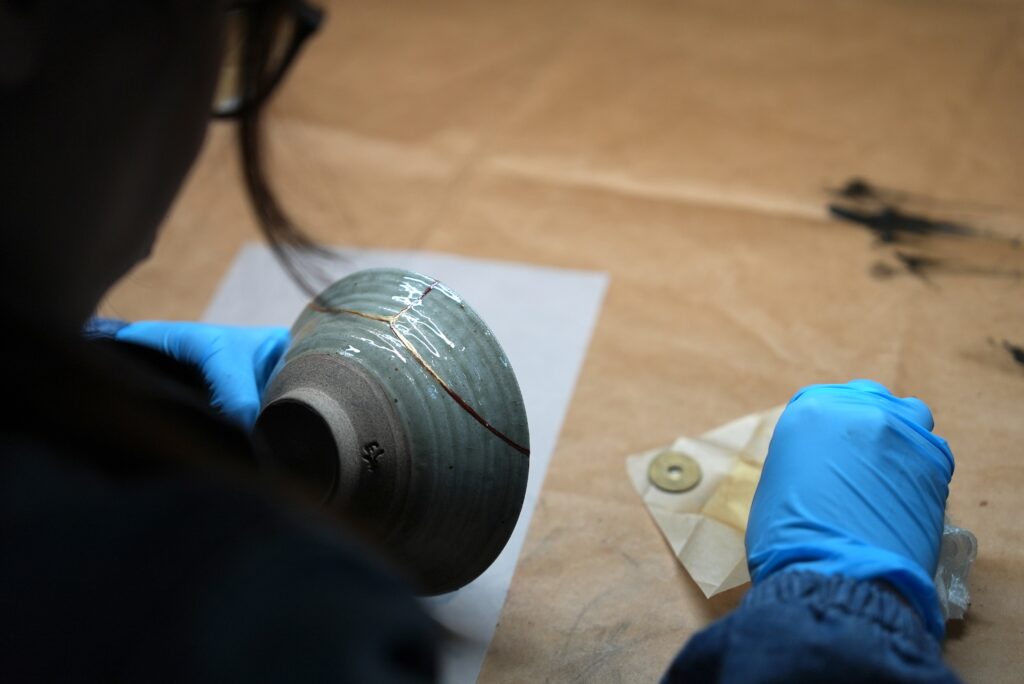
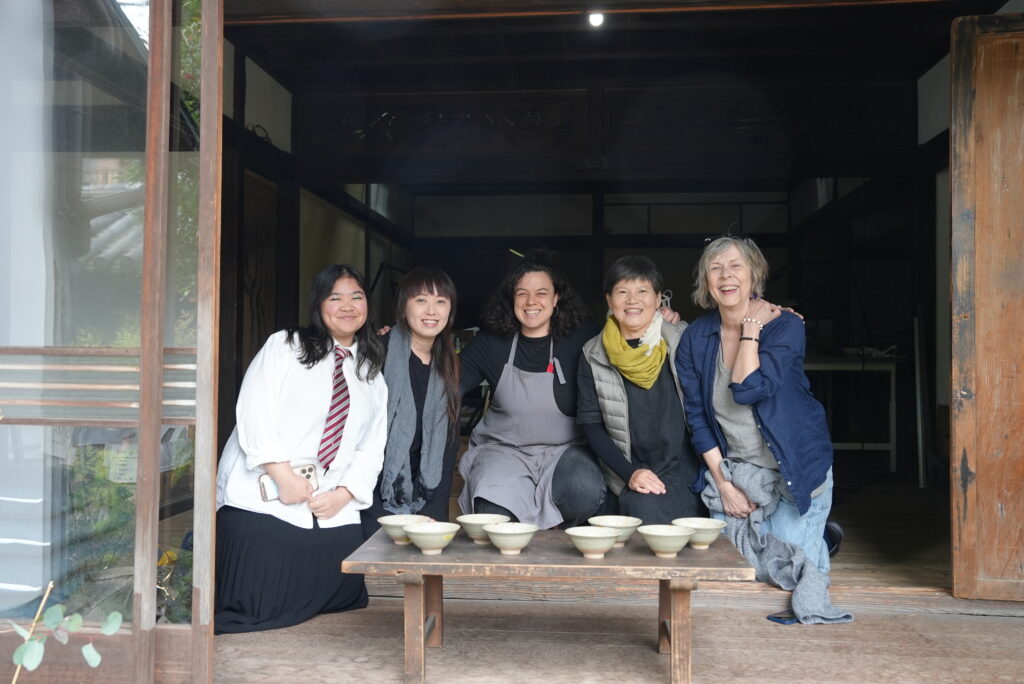
2026 Spring Session Artwork Credit (1~5)
- Kintsugi by Claire Olivier, porcelain bowl owned by Bonnie Luchtmeijer
- Multi pieces kintsugi by instructor Clementine Nuttall
- Gintsugi (silver repair) by Jojo Pang Chen Wang of TaoxiCraft, with our beloved memories with her
- Kintsugi and maki-e in-progress by Olya Sukonrat
- Kintsugi by Tsu OuYang
Toma House AIR on social media